
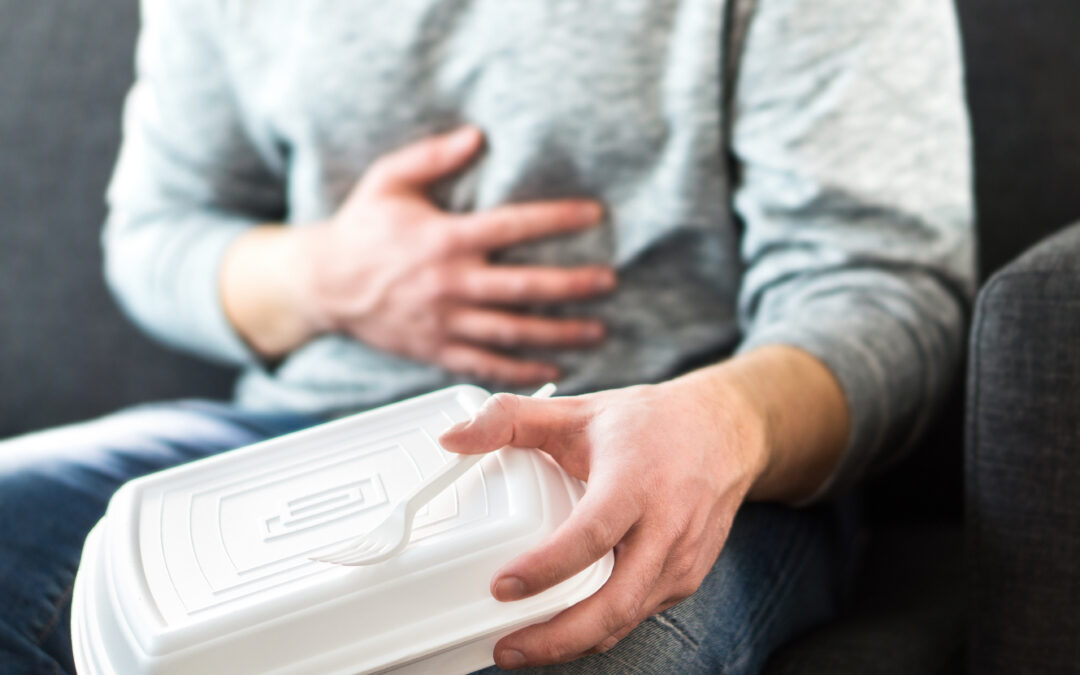
Whether you’re grabbing dinner at a favorite Chattanooga restaurant, preparing meals at home or enjoying a weekend cookout, food is a big part of everyday life. But when food isn’t handled, stored or prepared properly, it can sometimes lead to an unpleasant surprise: food poisoning.
Food poisoning occurs when you consume food or drinks contaminated with harmful bacteria, viruses, parasites or toxins. Symptoms can range from mild stomach discomfort to severe vomiting and dehydration. While many people recover without complications, knowing how to recognize the warning signs and prevent foodborne illness can make a big difference. Here’s what Chattanooga residents should know about food poisoning, how it happens and when to seek medical attention at AFC Chattanooga Northshore.
What Causes Food Poisoning?
Food poisoning can happen when harmful germs make their way into food or beverages. Contamination may occur during harvesting, processing, transportation, preparation or storage. Some of the most common causes include:
- Undercooked meat and seafood: Poultry, ground beef, fish and shellfish can carry harmful bacteria or parasites if they aren’t cooked to a safe temperature.
- Contaminated produce: Fruits and vegetables can become contaminated through soil, water or improper handling.
- Improper food storage: Leaving perishable foods at room temperature for too long can allow bacteria to multiply.
- Cross-contamination: Using the same cutting board, utensils or surfaces for raw meat and ready-to-eat foods can spread harmful germs.
- Unpasteurized products: Raw milk, unpasteurized juices and certain dairy products may contain bacteria that cause illness.
Some foodborne illnesses are caused by bacteria such as Salmonella, E. coli and Campylobacter. Others can result from viruses, including norovirus.
What Are the Common Symptoms of Food Poisoning?
Food poisoning doesn’t always look the same. Symptoms depend on the type of germ involved, how much contaminated food was consumed and a person’s overall health. Common symptoms include:
- Nausea and vomiting
- Diarrhea
- Stomach cramps or abdominal pain
- Fever
- Headache
- General weakness or fatigue
- Loss of appetite
Symptoms may develop within a few hours of eating contaminated food, but some infections take several days or even longer to cause noticeable problems. It’s also worth remembering that not everyone who eats the same contaminated food will experience symptoms at the same time or with the same severity.
How Can You Prevent Food Poisoning at Home?
The good news is that many cases of food poisoning can be prevented with a few everyday food safety habits. Whether you’re cooking dinner for the family or preparing meals for the week, safe food handling should always be part of the routine.
- Wash Your Hands and Surfaces
Wash your hands with soap and water before preparing food, after handling raw meat and after using the bathroom. Clean countertops, cutting boards and kitchen utensils regularly. Avoid rinsing raw chicken or other poultry in the sink. Splashing water can spread bacteria to nearby surfaces.
- Keep Raw and Ready-to-Eat Foods Separate
Use separate cutting boards and utensils for raw meat, seafood and produce whenever possible. Store raw meat in sealed containers on the lowest refrigerator shelf so juices don’t drip onto other foods.
- Cook Foods to Safe Temperatures
Color isn’t a reliable way to determine whether meat is fully cooked. Use a food thermometer to check internal temperatures. Some important temperature guidelines include:
- Poultry: 165°F
- Ground meats: 160°F
- Whole cuts of beef, pork, lamb and veal: 145°F, followed by a three-minute rest
- Fish: 145°F
- Refrigerate Food Promptly
Don’t leave perishable foods sitting out for hours after a meal. Refrigerate leftovers within two hours, or within one hour when temperatures are above 90°F. Keep your refrigerator at 40°F or below, and avoid eating leftovers that have been stored too long or show signs of spoilage.
- Be Careful With Food When Dining Out
Eating out is convenient, but food safety still matters. Pay attention to whether hot foods are served hot and cold foods are kept cold. Avoid foods that appear undercooked or have been sitting out for extended periods. If something doesn’t seem right, it’s better to skip it.
When Should You Seek Medical Care for Food Poisoning?
Many mild cases of food poisoning improve within a few days with rest and adequate hydration. However, certain symptoms can indicate a more serious infection or complications. Consider seeking care at AFC Chattanooga Northshore if you experience:
- Diarrhea lasting more than three days
- A high fever, particularly above 102°F
- Frequent vomiting that makes it difficult to keep liquids down
- Severe or persistent abdominal pain
- Bloody diarrhea
- Signs of dehydration, including very little urination, dry mouth, dizziness or extreme thirst
Young children, older adults, pregnant individuals and people with weakened immune systems may be more vulnerable to complications from foodborne illnesses. These individuals should contact a healthcare provider sooner if symptoms develop. Severe dehydration, fainting, confusion or other signs of a medical emergency require immediate attention.
How Is Food Poisoning Treated?
Treatment depends on the cause and severity of the illness. For many people, the primary concern is replacing fluids and electrolytes lost through vomiting and diarrhea. If you’re experiencing symptoms, try taking small, frequent sips of water or an oral rehydration solution. Once you can tolerate food, bland options may be easier on your stomach.
An AFC provider can evaluate your symptoms, assess your hydration and determine whether additional testing or treatment is needed. Some bacterial infections may require specific treatment, while antibiotics aren’t appropriate for every type of food poisoning. Avoid taking anti-diarrheal medication without medical guidance, especially if you have a fever or bloody diarrhea.
Get Help for Food Poisoning Symptoms in Chattanooga
Food poisoning can turn an ordinary day into a miserable experience, but knowing what to watch for can help you recognize when it’s time to get checked out. If you’re dealing with persistent stomach cramps, vomiting, diarrhea or other concerning symptoms, AFC Chattanooga Northshore offers convenient urgent care for many common illnesses and conditions. A medical evaluation can help determine what may be causing your symptoms and what steps to take next. Taking a few precautions in the kitchen and knowing when to seek care can help keep you and your family healthier, whether you’re cooking at home or enjoying a meal around Chattanooga.
Recent Comments